Source modern glass champagne glasses for Bars, Hotels, and Restaurants
Find and compare 30 listings for modern glass champagne glasses suitable for commercial venues. Evaluate specifications such as cylindrical goblet shapes, LFGB and FDA certifications, and customization options including laser or painted logos to meet your procurement needs.
Key considerations
Products List


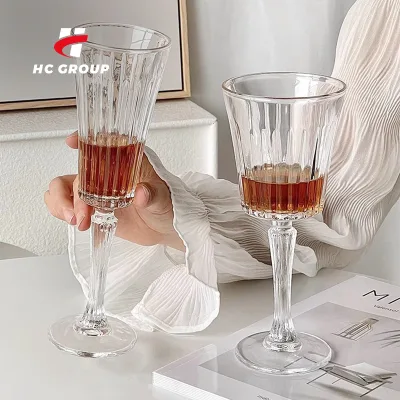
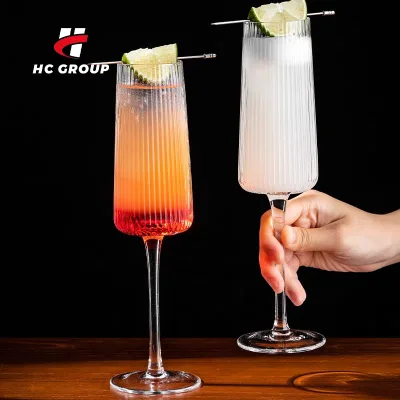


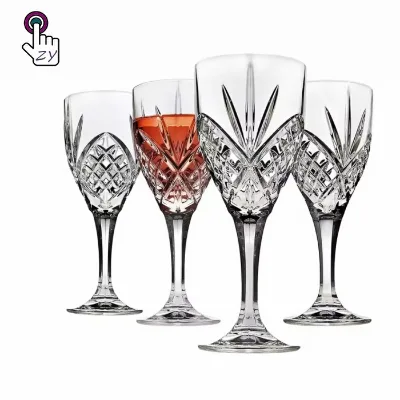



Comprehensive Sourcing Guide
Modern Glass Champagne Glasses Sourcing Guide
Sourcing modern glass champagne glasses requires a strategic balance between aesthetic precision and functional durability, particularly when targeting high-end hospitality sectors. The current market landscape, as observed in supplier listings, reveals a diverse array of options ranging from traditional goblets to specialized cylindrical shapes, with a strong emphasis on customization capabilities. Buyers must navigate a wide price spectrum, typically observed between $0.30 and $5.69 per unit, which often correlates with glass thickness, lead-free composition, and the complexity of the mold used. Understanding these baseline market signals is crucial for establishing realistic budget expectations and identifying suppliers who align with specific volume and quality requirements.
The procurement process is further complicated by varying minimum order quantities (MOQs), which range significantly from as low as one piece for sampling up to 5,000 pieces for bulk production. This variability allows small boutique hotels or event planners to test designs without committing to massive inventory, while large-scale distributors can leverage higher volumes for better pricing. However, the diversity in product names—such as "Whiskey Glasses Set," "Wine Glass," and "Champagne Glass"—often indicates that suppliers may offer multi-category catalogs rather than specialized glassware manufacturers. Therefore, buyers must carefully verify that the supplier’s core competency aligns with their specific need for champagne glassware, ensuring that the "modern" aesthetic they seek is not compromised by generic manufacturing processes.
Product Scope and Observed Listing Signals
The observed product scope indicates a strong trend toward multi-functional and customizable glassware, with many suppliers offering OEM and ODM services. Listings frequently highlight features such as "Eco-Friendly" materials and "Multicolor" options, suggesting that modern buyers are increasingly concerned with sustainability and brand differentiation. The availability of free samples and rapid sample times of 3-7 days facilitates quicker decision-making, allowing procurement teams to evaluate the tactile quality and clarity of the glass before committing to large orders. This agility is particularly valuable for brands looking to launch limited-edition collections or seasonal promotions where timing is critical.
However, the scope also reveals inconsistencies in product categorization and specification clarity. For instance, some listings labeled as "Champagne Glass" share model numbers or specifications with whiskey or wine glasses, indicating potential listing errors or broad product lines. Buyers must scrutinize the "Shape" attributes, noting that cylindrical shapes are common, which may not be ideal for all champagne serving styles that typically require tulip or flute designs to preserve carbonation. Additionally, the presence of "Classic" design styles alongside modern customization options suggests that suppliers may offer both traditional and contemporary designs, requiring buyers to clearly define their aesthetic preferences to avoid receiving mismatched inventory.
Technical Specifications to Verify
Verifying technical specifications is paramount to ensuring that the glassware meets both functional and aesthetic requirements. Key attributes to confirm include the glass material composition, with many suppliers specifying glass as the primary material, and the presence of certifications such as LFGB, FDA, and ROHS, which indicate compliance with food safety standards. Buyers should also pay close attention to the "Single Package Size" and "Gross Weight" details, as these impact shipping costs and storage efficiency. For example, observed packing dimensions of 25x15x15cm for individual units and carton sizes like 52x42x35cm for bulk shipments provide critical data for logistics planning.
Furthermore, the structural integrity and durability of the glass must be assessed through detailed specification checks. While listings may mention "in stock" availability, this does not guarantee consistent quality across batches. Buyers should request detailed product models, such as WG-013 or VG-013, to trace specific manufacturing standards. It is also essential to verify the "Logo" application methods, which can include laser, spray, decal, or painted techniques, as these affect the longevity of branding and the overall premium feel of the product. Ensuring that the glass thickness and rim finish are consistent with modern standards will prevent breakage during service and enhance the drinking experience.
Compliance and Safety Documentation
Compliance with international safety standards is non-negotiable for glassware intended for food and beverage service. The observed certifications, including LFGB, FDA, CE/EU, and ROHS, provide a baseline assurance that the glass is free from harmful substances like lead and cadmium. However, buyers must verify that these certifications are current and applicable to the specific product line being ordered. It is advisable to request copies of the test reports and ensure that the testing was conducted by an accredited laboratory. This due diligence protects the buyer from potential liability issues and ensures that the products meet the regulatory requirements of their target markets.
In addition to material safety, buyers should also consider the environmental impact of the packaging and production processes. Many suppliers highlight "Eco-Friendly" features, which may refer to the use of recycled glass or sustainable packaging materials. Buyers should inquire about the specific nature of these eco-friendly claims and request documentation to support them. Furthermore, the "Packaging" options, such as carton boxes or wooden boxes, should be evaluated for their protective qualities and environmental footprint. Choosing packaging that minimizes waste while ensuring product safety during transit is a key consideration for modern, sustainability-conscious procurement strategies.
Cost Drivers and Commercial Terms
Understanding the cost drivers behind glassware pricing is essential for effective budget management. The observed price range of $0.30 to $5.69 reflects variations in glass quality, design complexity, and customization levels. Factors such as the "MOQ" significantly influence unit costs, with higher volumes typically resulting in lower prices. Buyers should negotiate based on their expected order volume and consider the trade-offs between lower MOQs and higher per-unit costs. Additionally, the "Sample" policy, which often includes free samples, can reduce initial testing costs, but buyers should clarify any shipping fees associated with sample delivery.
Commercial terms also play a crucial role in the total cost of ownership. Buyers must carefully review the "prod_packing" and shipping methods, which can include sea, air, or train transport. Each method has different cost implications and lead times, affecting inventory management and cash flow. The "Service" offerings, such as ODM and OEM logo customization, may incur additional fees that should be factored into the overall budget. Clear communication regarding payment terms, delivery schedules, and return policies is essential to avoid unexpected costs and ensure a smooth procurement process.
Supplier Qualification and Quality Control
Supplier qualification is a critical step in mitigating risks associated with glassware procurement. Buyers should assess the supplier’s production capabilities, including their factory size, equipment, and quality control processes. The availability of "ODM OEM Logo" services indicates that the supplier can accommodate custom designs, but buyers must verify their ability to maintain consistency across large production runs. Requesting references or case studies from previous clients can provide insights into the supplier’s reliability and performance. Additionally, checking the supplier’s "prod_origin," such as Hubei, China, can help buyers understand the regional manufacturing strengths and potential logistical advantages.
Quality control measures should be established before placing large orders. Buyers should implement a rigorous inspection process, including pre-production samples and during-production checks. The "Sample Time" of 3-7 days allows for quick iterations, but buyers should ensure that the final production samples match the approved prototypes in terms of quality and appearance. It is also advisable to conduct third-party inspections for large orders to verify that the products meet the agreed-upon specifications. Establishing a clear quality assurance protocol helps minimize the risk of receiving defective goods and ensures that the final product meets the buyer’s standards.
Long-Term Procurement Checks
Long-term procurement success depends on continuous monitoring and relationship management with suppliers. Buyers should regularly review supplier performance metrics, such as on-time delivery rates, product quality consistency, and responsiveness to issues. Building a strong relationship with the supplier can lead to better pricing, priority production, and improved service levels. Additionally, staying informed about industry trends and technological advancements in glassware manufacturing can help buyers identify new opportunities for innovation and cost savings. Regular communication and feedback loops are essential for maintaining a productive partnership and ensuring that the supplier’s capabilities align with the buyer’s evolving needs.
Finally, buyers should periodically reassess their supplier base to ensure they are getting the best value and quality. This may involve comparing multiple suppliers, negotiating new contracts, or exploring alternative sourcing options. The dynamic nature of the glassware market means that new suppliers and technologies may emerge, offering better solutions. By maintaining a flexible and proactive approach to procurement, buyers can mitigate risks, optimize costs, and ensure a steady supply of high-quality modern glass champagne glasses for their business.
FAQs
What certifications do the glass champagne glasses have?
The glass champagne glasses hold LFGB, FDA, CE / EU, and ROHS certifications. These standards ensure the products meet safety requirements for food contact and are suitable for use in restaurants, bars, and hotels.
Can I get a free sample before placing a large order?
Yes, free samples are provided for these glass champagne glasses. The sample preparation time typically takes between 3 to 7 days, allowing buyers to verify quality before committing to bulk purchases.
What is the minimum order quantity for these glasses?
The minimum order quantity varies by specific model, ranging from 100 sets to 500 pieces. Buyers should check the specific product model details to confirm the exact MOQ required for their order.
How can I customize the logo on the glassware?
Customized logos are acceptable using laser, spray, decal, or painted methods. The supplier offers ODM and OEM services to accommodate specific branding needs for restaurants, bars, and hotels.
Where are these modern glass champagne glasses manufactured?
These glass products originate from China, with specific production located in Hubei. The goods are packed in carton boxes or wooden boxes and shipped via sea, air, or train.
What packaging options are available for shipping?
Products are packed in carton boxes or wooden boxes depending on the order. Standard packing specifications include dimensions like 60x50x45cm with 48 pieces per carton for efficient transport.